A team of scientists from the International Centre of Insect Physiology and Ecology has discovered a promising solution to plastic pollution: the Kenyan lesser mealworm (Alphitobius genus). These mealworm larvae can consume polystyrene, commonly known as styrofoam, and break it down with the help of gut bacteria. This finding is highly significant, as it marks the first instance of an African insect species showing such capability. This species joins the ranks of other known plastic-degrading insects like yellow mealworms and superworms.
A never ending menace
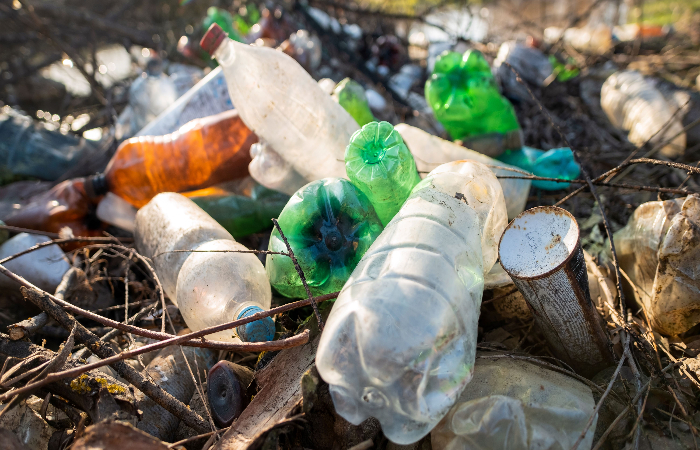
Polystyrene is a highly durable plastic used in various packaging applications, notorious for its resistance to breakdown. Traditional recycling methods, such as chemical and thermal processes, are costly and environmentally taxing. This motivated the research team to explore biological solutions for plastic degradation.
The study involved feeding the mealworms diets of polystyrene alone, bran alone, and a combination of both. Results showed that larvae on a mixed polystyrene-bran diet consumed polystyrene more efficiently and had higher survival rates compared to those on a polystyrene-only diet. This underscored the need for a nutrient-dense diet to optimize the plastic breakdown process. The larvae on the polystyrene-bran diet managed to degrade about 11.7% of the polystyrene over the trial period.
How does this work?
Crucial to this process are the gut bacteria of the mealworms. The team found that polystyrene-fed larvae had increased levels of bacteria such as Proteobacteria and Firmicutes, along with strains like Kluyvera and Citrobacter, which produce enzymes capable of breaking down synthetic plastics. The research suggests that these bacteria adapt and aid the degradation process when exposed to plastic.
Future research aims to isolate these bacterial strains and their enzymes to develop large-scale solutions for plastic recycling. The Kenyan lesser mealworm’s unique ability highlights the potential for regional, biologically-driven solutions to tackle Africa’s mounting plastic waste problem, potentially revolutionizing plastic waste management globally.