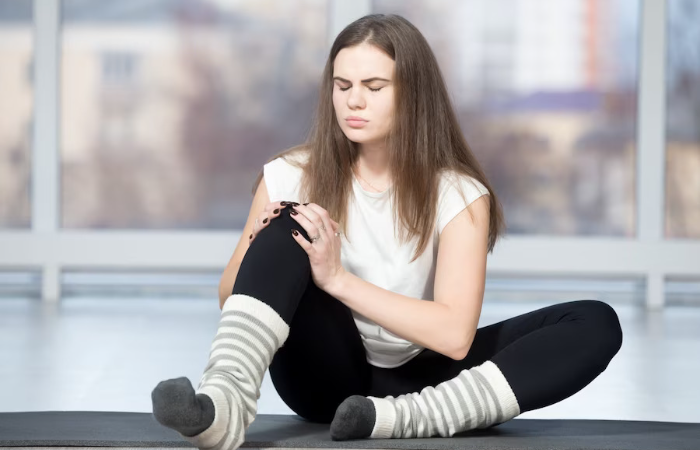
Knee injuries affect everyone, but women face a surprisingly higher risk. Female athletes, especially in soccer and basketball, are five times likelier to tear their ACLs. Dr. Struan Coleman, an orthopedic surgeon, attributes this difference to body structure and hormones. Let’s dive into why and how women can protect their knees.
Factors at Play
Muscle activation patterns and strength variations during movements like jumping and landing also increase the risk of ACL injuries in women. Insufficient quadriceps muscle strength above the knee is a significant factor. Strengthening these muscles can offer protection against knee injuries, emphasizes Dr. Coleman.
Activities and Risk Factors
Certain activities heighten the likelihood of ACL injuries in women, including sports involving cutting and pivoting movements like soccer, basketball, skiing, and lacrosse. Repetitive impact-inducing activities like running, jumping, deep knee bending, and squatting also pose risks. Lifestyle elements like fatigue and dehydration further elevate the risk of knee injuries.
Prevention Is Key
Dr. Coleman advocates prevention as the primary defense against knee injuries. Ensuring adequate muscle strength and flexibility is crucial. Robust quadriceps and hamstrings, particularly in women, prove effective in preventing knee injuries and ACL tears. Incorporating strength training, especially for the core muscles, is essential. Pilates and innovative tools like the Motive Knee device are recommended for maintaining strong and stable knee health.
Maintaining Activity Despite Knee Pain
Contrary to popular belief, knee pain doesn’t necessarily mean avoiding physical activity. Strengthening the muscles around the knee, especially the quadriceps, is vital to alleviate pain and prevent injuries. While medication may help manage pain temporarily, focusing on the underlying cause—muscle weakness—is key.
Choosing the Right Path
Knee pain presents a crossroads for many individuals. Proactive measures involve diagnosing and addressing the root cause of knee pain. On the other hand, avoiding activities that exacerbate pain leads to a cycle of weakened muscles and increased discomfort. Resistance training, such as strengthening exercises, emerges as a proactive and effective approach to maintaining knee health and overall well-being.
Final Note
Safeguarding your knees and sidestepping injuries is within reach. Embrace prevention and muscle strength to forge a path free from knee pain. Let’s turn challenges into opportunities for an energetic and fulfilling life ahead. Your knees deserve the best care for a thriving journey!