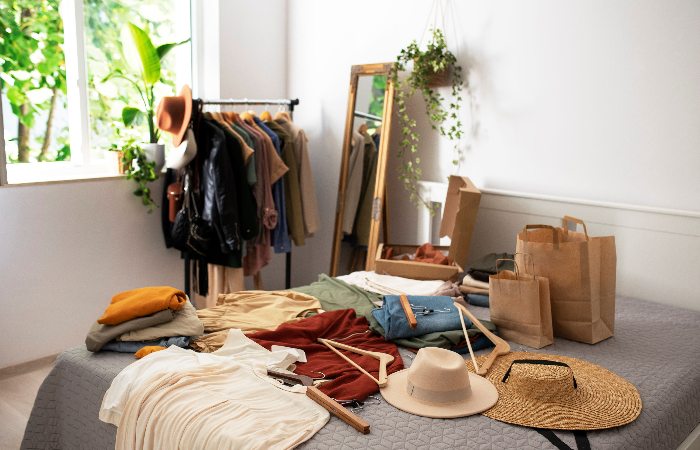
The process of turning old or unwanted items into something new and better has become the mainstream trend. The need for Upcycling has become important particularly in the area of fashion. This procedure means either the creation of new items from the pieces or the improvement of the current products by adding new elements.
Old wine in a new bottle?
On one hand, it could be compared to the school competitions like ‘best out of waste’. But on the other hand, upcycling has a long and a rich history and it is still very relevant today. The old saying that “upcycling has been practiced for ages and even before the term was named” goes a long way. In ancient times, materials such as old stones were reused for new construction projects and this was called ‘spolia’ in the Romans. During war, re-purposing was needed because of the lack of resources. The ‘Make Do and Mend’ campaign made by the British urged people to mend and re-use clothes. This was a necessity that was turned into a wartime ethos. This way of life lasted even during bad economic times. Hence, the resourcefulness and the creativity were given more of a meaning.
Ultimately, in the 21st century, upcycling became popular, especially during the COVID-19 pandemic when virtually everyone became a DIY enthusiast and then it took a viral status. This period highlighted the twin benefits of upcycling: the two-in-one-out or the creativity and sustainability. The increase of the environmental problems and the sustainability has made upcycling not just a trend but an ethical choice. This is especially critical for the young. The fashion industry witnessed a major boom in the production of upcycled products.
Adopted by the brands
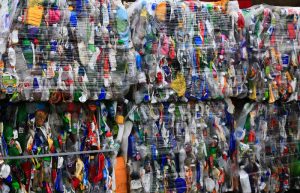
Great brands such as Gucci, Miu Miu, and Hermes have adopted this trend by restoring the vintage clothes and using the scrap to create a new product. For instance, we can refer to the corset dress designed by Ashwin Thiyagarajan from saree scraps that was worn by Maitreyi Ramakrishnan and the Met Gala 2021 outfit of Hailee Steinfeld made of ocean plastics.
Upcycling techniques have been part of various cultures for centuries. Indian Kantha, Japanese Sashiko, Chinese Patchwork, and European Darning are traditional methods of fabric upcycling. These techniques have contributed to the rich history of sustainable practices in textiles.
Its a healthy way forward
Today, upcycling represents a sustainable way forward in a world burdened by consumerism and environmental degradation. The rise in upcycled product listings on platforms like Etsy—from 7,900 in 2010 to around 200,000 currently—demonstrates its growing popularity. What began as a practical necessity has evolved into a forward-thinking trend, aligning with modern values of environmentalism and sustainability.