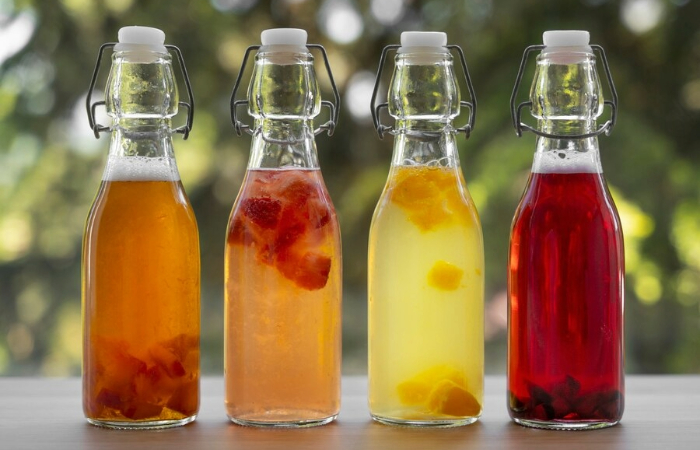
We all love that satisfying clink of a glass bottle, right? It feels fancy, it’s cool, and it’s recyclable, so it’s better for the planet, right? Well, not really. A new study has just spilled some surprising tea about glass bottles and how they contribute to global warming. Let’s break down why orange juice in your go-to glass bottle might not be as eco-friendly as you thought.
The Glass Bottle Myth: Busted
We’ve been taught that plastic is the bad guy, and glass is the hero. But here’s the truth bomb: making and recycling glass eats up a ton of energy. The study, published in July 2024, found that the entire process of using glass bottles—from production to recycling—cranks up global warming.
Nomzamo Dlamini, the study’s lead author, was just as shocked as we are. They told ScienceDaily, “It takes way more energy to produce and recycle glass than plastic.” So, while glass bottles might seem like the better option, they’re not as sustainable as we’ve been led to believe.
Plastic and Cartons: The Unsung Heroes
Guess what? Plastic containers are less harmful to the environment than glass bottles. They’re lighter, which means less fuel is burned when they’re being transported. Plus, sealing plastic containers requires way less energy compared to what’s needed for glass. Sure, plastic isn’t perfect, but it’s a step up from glass.
And here’s the kicker: when it comes to packing your orange juice, cartons are the real MVP. According to the study, cartons are the most sustainable option, followed by plastic, then cans, and lastly, glass. So next time you’re at the store, reaching for that carton might be the best choice for the planet.
The Bottom Line
Don’t let the sparkle of glass bottles deceive you. It’s easy to think they’re the greener option, but the truth is different. We need to dig deeper and make choices that truly benefit our planet. What looks eco-friendly on the surface might be adding to the problem.