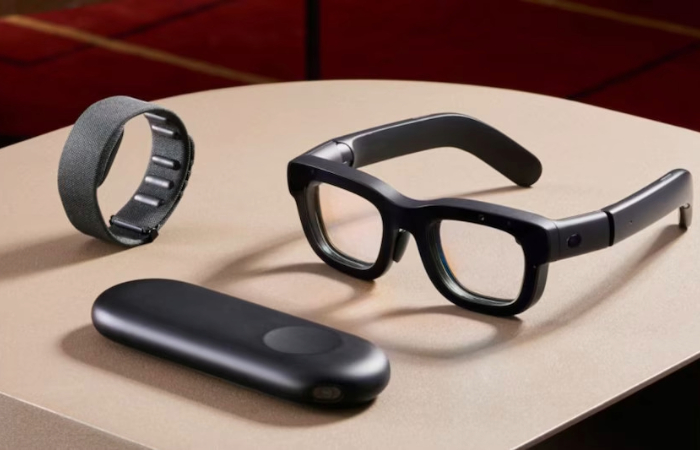
Meta just unveiled their new AR glasses, dubbed Orion, and they’re being called “the most advanced glasses the world has ever seen.” Bold statement, right? Meta’s CEO, Mark Zuckerberg, even claims they could replace our smartphones in the future. But is that true? Let’s break it down.
Old Tech, New Vibes
Orion may feel super futuristic, but AR glasses have been around for a while. The tech started way back in the 1960s and was mainly used for military and industrial purposes. Fast forward to 2013, Google gave AR glasses a shot with Google Glass, but it flopped due to privacy concerns and high costs.
Still, Meta, Apple, and Microsoft kept at it, refining the tech. And now Meta is claiming Orion will change the game.
What’s So Special About Orion?
Meta has packed a ton of features into Orion. The glasses use holographic projections, meaning you can see graphics and text in real life, right in front of your eyes. They also come with a built-in smart assistant called Meta AI that responds to your voice, hand gestures, and even eye movements. Plus, there’s a wristband for easy control.
Sounds cool, but will people wear them? There are still challenges like comfort, heat issues, battery life, and whether people will feel weird walking around in AR glasses.
The Smartphone Replacement?
Meta thinks these glasses could replace smartphones. And it’s possible—eventually. Smart glasses are already making moves in industries like healthcare and logistics. But Meta plans to launch Orion to the public in 2027, and there’s still a long way to go in making them mainstream.
Sure, AR glasses could make our lives easier by giving us hands-free access to information. But whether we’re ready to ditch our phones for glasses? That’s up for debate.
In the end, it’s about solving those tech hurdles and convincing us that AR glasses are worth it. Let’s see how that plays out.