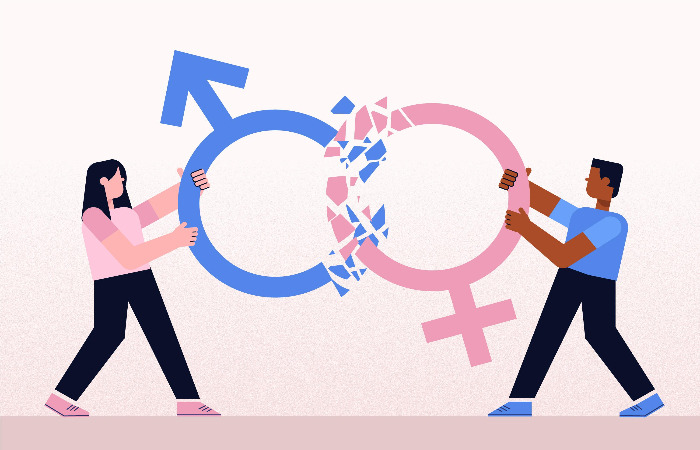
Argentina was the sole G20 member to refuse signing a gender equality and women empowerment statement proposed by Brazil. The document, signed by gender ministers from other G20 countries, outlines commitments to combat gender-based violence, misogyny, the gender pay gap, and violations of sexual and reproductive rights. While the G20 cannot enforce these measures, the statement symbolizes a collective pledge to address these issues.
Worsening ties
Argentina’s refusal deepened tensions with Brazil, which holds the G20 presidency. An official from Brazilian President Lula da Silva’s administration criticized the decision, attributing it to the rise of far-right ideologies in Argentina under President Javier Milei. Brazil’s representative for gender issues, Vanessa Dolce de Faria, also expressed frustration, stating that “equality is non-negotiable.”
Milei’s opposition to gender equality initiatives was evident long before his presidency. During his campaign, he vowed to dismantle Argentina’s Women, Genders, and Diversity Ministry, which he promptly did upon taking office. He also closed the national anti-discrimination agency (INADI) and halted most government policies promoting gender equality. At a United Nations address, Milei criticized global gender initiatives as part of a “woke” and “socialist” agenda.
Will attend the summit
Argentina’s position has worsened the already sour relations between Argentina and Brazil. It’s perhaps notable that verbal aggression was bidirectional, as Milei has publicly labelled Lula as a ‘corrupt’ ‘communist’ this which prompted Lula to demand an apology from Milei. But despite these tensions, Argentine Foreign Ministry has stated that Milei will be present at the G20 summit in Rio de Janeiro in November where he has meeting with Lula face to face, since he assumed office.
Higher officials of Brazil keep on stressing the role of gender equality saying that Argentina’s rejection has caused women a big loss especially with the resurfacing of the far right all over the world.