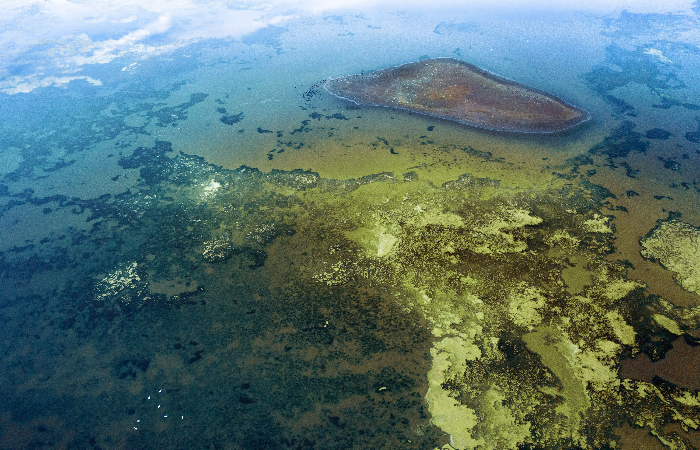
The phenomenon of oceans turning green is a complex and multi-faceted issue, often attributed to various natural and anthropogenic factors. The green coloration of oceans can result from a variety of biological and environmental processes, each contributing to the alteration of the water’s color and overall ecosystem.
Here are some key reasons why oceans may undergo a green transformation:
Algal Blooms: One of the most common causes of green oceans is the proliferation of algal blooms. These are rapid and excessive growths of algae. It is often driven by elevated nutrient levels in the water, such as nitrogen and phosphorus from agricultural runoff and sewage discharge. Algal blooms can include various types of microscopic algae, such as phytoplankton. When these blooms reach a critical mass, they can impart a green tint to the water. While some algal blooms are natural and essential to marine ecosystems, others can be harmful, releasing toxins that can devastate marine life and negatively impact water quality.
Phytoplankton: Phytoplankton, a diverse group of microorganisms that perform photosynthesis, play a significant role in the coloration of oceans. Chlorophyll, the pigment responsible for photosynthesis, gives phytoplankton a green hue. When phytoplankton populations increase due to nutrient enrichment or changes in oceanic conditions, the collective presence of these microscopic organisms can turn large areas of water green. This phenomenon often occurs in coastal areas where nutrient runoff is more prevalent.
Upwelling: Upwelling is a natural process in which nutrient-rich cold waters from deeper ocean layers rise to the surface. These nutrients can fuel phytoplankton growth, leading to localized areas of green water. Upwelling is especially prominent along coastlines where wind patterns push surface waters away, allowing deep nutrient-rich waters to replace them. The enhanced nutrient availability can trigger phytoplankton blooms and contribute to greening of the ocean.
Iron Fertilization: In some cases, oceanic regions experience iron deficiency, which limits phytoplankton growth. Some scientists have explored the concept of iron fertilization. Here, iron is introduced to these waters to stimulate phytoplankton blooms. The enhanced growth of these organisms can lead to a greener appearance in the ocean. However, the ecological consequences and effectiveness of iron fertilization remain topics of debate and research.
Climate Change: Climate change is altering oceanic conditions, including sea surface temperatures and ocean currents. These changes can influence the distribution and behavior of marine species, including phytoplankton. As ocean temperatures rise and currents shift, certain types of phytoplankton may become more prevalent, leading to changes in water color.
Human Activities: Human activities, such as pollution and nutrient runoff from agriculture and urban areas, can significantly impact ocean health and contribute to green water. Excessive nutrient inputs can fuel algal blooms. Similarly, pollutants like plastics can disrupt marine ecosystems and potentially affect the behavior of phytoplankton.
Natural Processes: Apart from human influences, natural processes like seasonal changes, water circulation patterns, and geological activities can also lead to ocean greening. These processes can affect nutrient availability, water temperature, and the types of algae present in different regions.
Thus, the green coloration of oceans is a complex outcome of various natural processes and human activities. Algal blooms, phytoplankton, upwelling, iron fertilization, climate change, and human-induced pollution can all contribute to the transformation of ocean waters into shades of green. Monitoring and understanding these factors are essential to maintaining the health of marine ecosystems. It is important to mitigate the negative impacts of excessive algae growth on aquatic life and water quality.