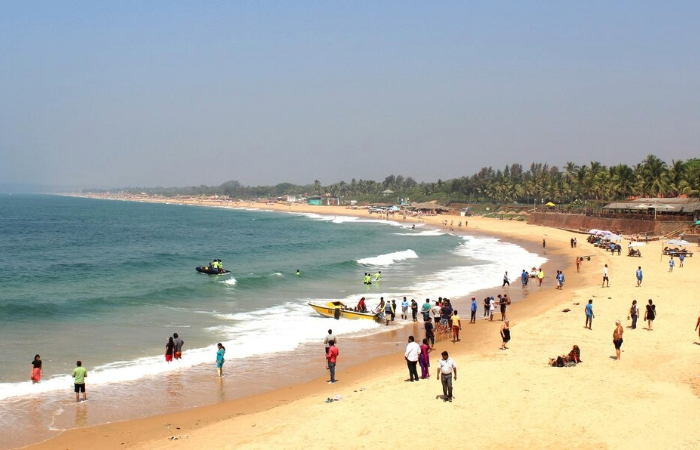
India’s beaches are not just sandy escapes for tourists. They’re lifelines for fishing communities and homes to stunning biodiversity. But here’s the shocker: they’re disappearing, fast. Coastal erosion is wreaking havoc on India’s 7,500 km coastline, and it’s not just nature at play. Humans have a big hand in this mess.
What's Happening?
Coastal erosion occurs when the shoreline retreats due to rising sea levels, strong waves, and sometimes human activities. While natural forces like storms and tides play a role, manmade actions are speeding it up. Construction of ports, dams, and seawalls interferes with the natural flow of sand and water. Instead of protecting the coast, we’re breaking it down.
Places like Puducherry, once famous for its scenic beaches, are now seeing their sands vanish. Fishing villages are losing their shores, and even tourist hotspots are being swallowed by the sea.
Why It’s a Big Deal
This isn’t just about losing pretty beaches. Erosion impacts livelihoods, homes, and the environment. Fishing communities depend on the coast to survive. And with beaches eroding, they lose their space to dock boats and fish.
For tourists, it’s a bummer too. No beach = no Insta-worthy sunset pics. But for wildlife? It’s even worse. Coastal ecosystems, like mangroves and coral reefs, are disappearing, leaving marine life vulnerable.
Can We Fix It?
Yes, but it’s going to take some serious effort. The focus needs to shift to sustainable coastal management. Instead of building hard structures like seawalls, we can restore mangroves and dunes. These natural barriers are eco-friendly and fight erosion better.
Another fix? Stop dumping waste and pollutants into the sea. Cleaner waters help maintain the balance of marine ecosystems.
The Takeaway
India’s beaches are in trouble, but they’re not beyond saving. It’s time we rethink how we treat our coasts. Protecting them isn’t just for us—it’s for the generations to come. Let’s keep the beaches sandy, sunny, and safe!