Hey, have you ever thought about how many microplastics are sneaking into our bodies through food and drink? It’s kind of scary, right? But guess what? Scientists have found a super simple way to get rid of these tiny plastic bits from our drinking water. Let’s dive in!
Boiling and Filtering: The Magic Combo
Researchers from Guangzhou Medical University and Jinan University in China have cracked the code. They ran some tests using both soft water and hard tap water. They added nanoplastics and microplastics (NMPs) to the water, boiled it, and then filtered out the leftover bits.
The result? Up to 90% of the NMPs were removed! The effectiveness did vary based on the type of water, but still, it’s pretty awesome. And the best part? You can do this with stuff you already have in your kitchen.
How It Works
When you boil hard tap water, it forms limescale, also known as calcium carbonate. This chalky substance traps the plastic fragments as the temperature changes, making it easier to filter them out. Even in soft water, where there’s less calcium carbonate, about a quarter of the NMPs were still caught and removed. Just use a simple filter like a stainless-steel tea strainer, and you’re good to go!
Why This Matters
We consume tiny fragments of plastics daily through our tap water. The researchers tested this method with even more nanoplastic particles, and it worked like a charm. They believe this boiling water strategy can significantly reduce our intake of NMPs.
A Call for Change
Drinking boiled water is a common practice in some parts of the world, but the research team hopes it catches on globally. As plastics continue to invade our lives, finding ways to keep them out of our bodies is crucial.
The Bigger Picture
While we’re not entirely sure how harmful these plastics are to us yet, they’ve been linked to changes in our gut microbiome and antibiotic resistance. The team wants to see more research on how boiled water can help keep artificial materials out of our bodies and counter some of the alarming effects of microplastics.
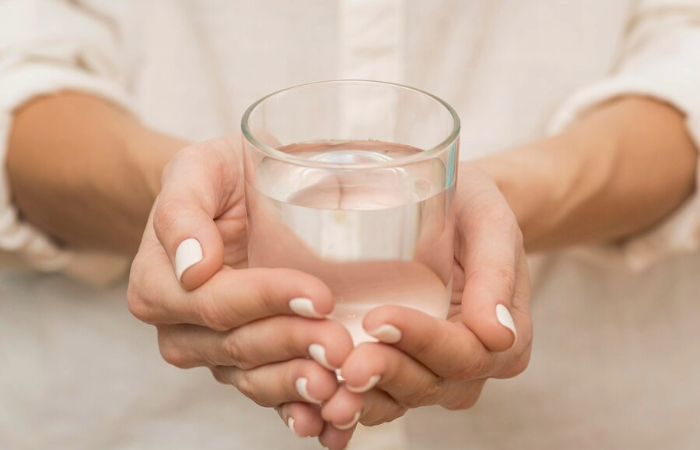
So, next time you’re thirsty, consider boiling your water. It’s an easy step towards a healthier you!