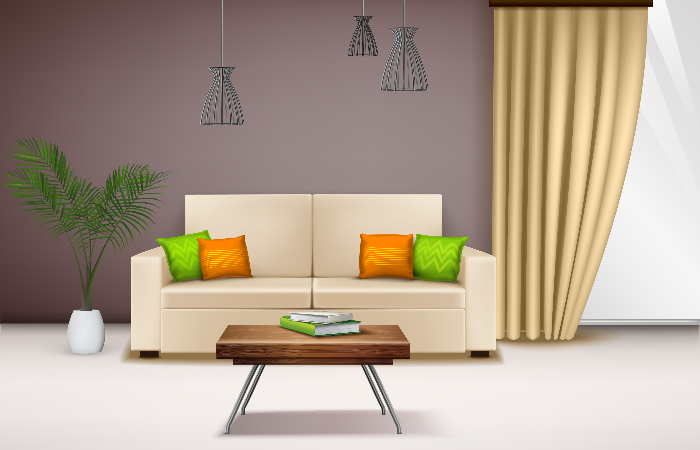
Australia is currently in the top ten countries for wellness expenditure. Australians are currently forking out close to $6,100 a year on wellbeing. In such a scenario, designers are finding ways to incorporate wellness into homes. The pandemic has boosted wellness in residential building design. Now that people are home more, futureproofing your home always begins with wellness features. A few new trends are the following:
Nature infusion
The trend that highlights integrating people with natural elements is called biophilic design. Cocoplum Design Studio’s owner Ozge Fettahlioglu describes how having plants, both for the mind and the body, is vital. Popular elements include internal living walls, indoor water features, and natural materials like timber and stone.
Maximizing natural light
Natural lighting increases vitamin D and serotonin which have a positive impact on the mood of persons exposed to it. Contemporary architecture incorporates big amounts of light to enter the house through floor-to-ceiling windows or panels through the roof, glazing walls, slim profile, mansion-like presence and electrochromic glass.
Adaptive lighting
Controllable lighting systems imitate natural lighting making them compatible with biological rhythms. Paul Conrad also shares the opinion that such systems can dramatically change the ambience and create a suitable addition to the organismic wellness approach, controlling the light’s color and intensity depending upon the day period.
Ergonomic design
Ergonomic principles are now applied beyond offices, influencing entire home layouts. Nat Gordon of Propoholic notes the importance of accessible storage, designated office spaces, and well-planned traffic flow to ensure ease of movement and reduce strain.
Home gyms and yoga studios
Dedicated fitness spaces are increasingly popular, allowing for comprehensive home wellness routines. Paul Conrad mentions that even modest spaces can be optimized for fitness with multifunctional equipment and designated areas for yoga and stretching.
Personal saunas
Home saunas, once considered a luxury, have surged in popularity, driven by pandemic-induced demand for at-home wellness.
Improving indoor air quality
Indoor air quality is crucial, as indoor air can be significantly more polluted than outdoor air. Designers suggest air purifiers and thoughtful design choices, such as maximizing ventilation and using non-toxic materials, to enhance indoor air quality.
Clutter-free living
Feng Shui principles highlight the stress-reducing benefits of decluttering. Designers are integrating smart storage solutions and multifunctional furniture to create organized, serene living spaces.
Technological cleanliness
Touchless and voice-activated technologies enhance cleanliness and convenience. Angela Carrick of Air Design Australia emphasizes features like motion-activated entryways and taps, which minimize germ transmission and promote a healthier living environment.
At-home spa retreats
Home spas are becoming standard in luxury properties, with features like saunas, ice baths, and massage rooms. Paul Conrad predicts a rise in comprehensive wellness zones in premium homes, reflecting the growing trend of integrating beauty and wellness at home.
These trends signify a shift towards homes that not only provide shelter but also actively promote health and well-being, ensuring that the concept of wellness is seamlessly integrated into everyday living.